
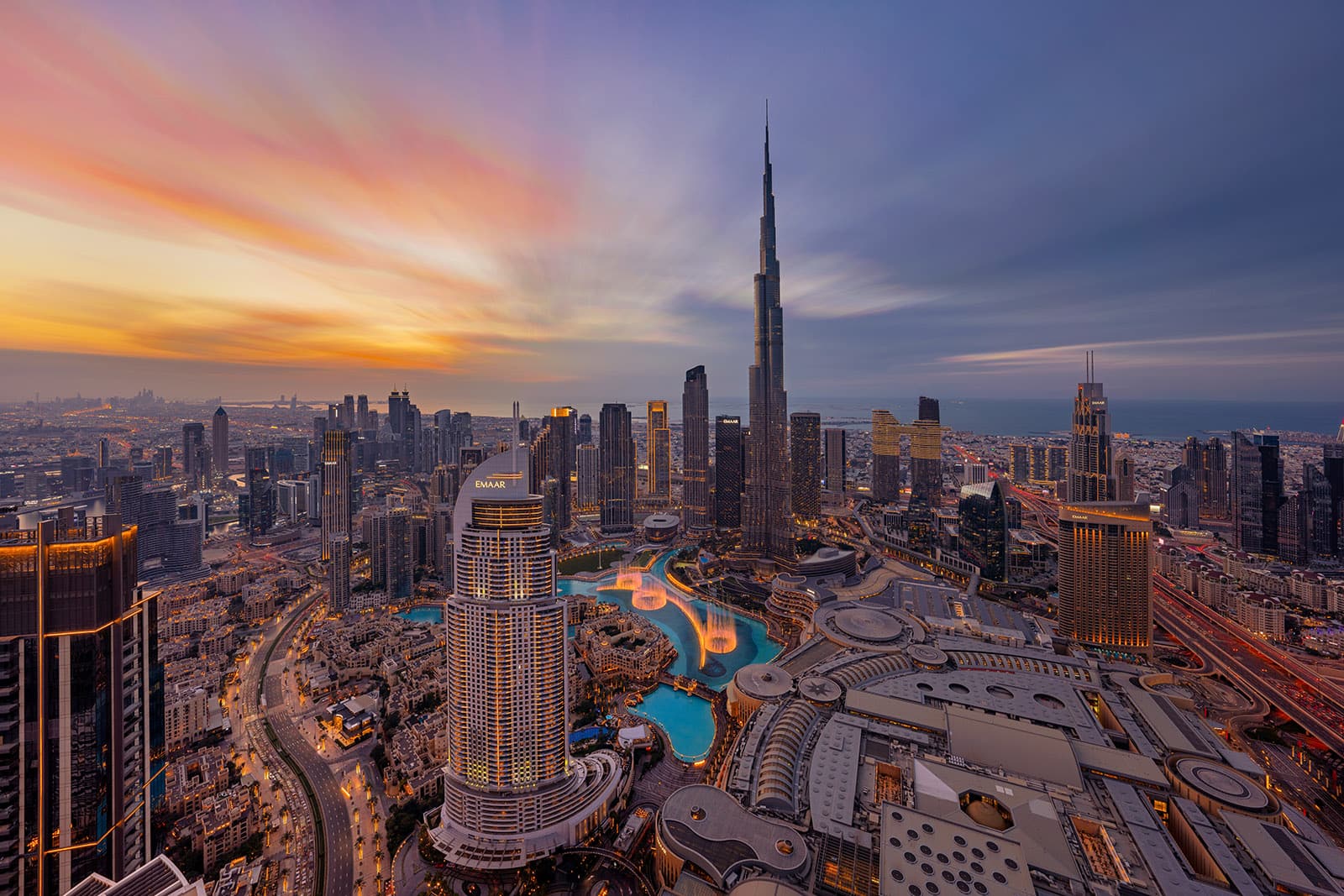
As we move through April 2026, the global geopolitical landscape is shifting rapidly. With regional “noise” dominating international headlines, investors from London to Singapore are asking one critical question: Is Dubai property safe haven status still intact?

While short-term observers might look at regional headlines with caution, the data from the Dubai Land Department (DLD) for Q1 2026 tells a story of incredible resilience. In the first three months of this year alone, real estate transactions surged by 31% in value, reaching a staggering AED 252 billion.
In this comprehensive 2026 market report, we analyze why Dubai continues to decouple from regional instability and why “safe haven” isn’t just a marketing buzzword—it is a statistically proven reality.
1. The “Safe Haven” Data: Q1 2026 Performance
To understand the Dubai property safe haven effect, one must look at the sheer volume of capital entering the city. Despite the intensified regional scrutiny that began in late February, investor confidence has not wavered.
- Total Transactions: 60,303 (up 6% from 2025).
- Total Investment Value: AED 173 billion (a 22% growth).
- New Investors: 29,312 individuals (up 14% year-on-year).
This influx of new capital—specifically from international buyers seeking asset protection—proves that when the world feels uncertain, the world moves its money to Dubai. The city’s reputation as the “Switzerland of the Middle East” is no longer just about lifestyle; it’s about institutional security.

2. Dubai the “Safe Haven” Real Estate market outlook 2026:
Unlike previous cycles, the 2026 market is not driven by reckless speculation. It is anchored by three structural pillars that protect it from regional volatility:
A. Cash-Dominant Stability
In Q1 2026, approximately 67% of transactions were cash-based. This is a massive safety net. High-cash volume means the market is not overly dependent on interest rates or bank lending, making it resistant to the “mortgage shocks” seen in Europe and the US.
B. The D33 Economic Agenda
The Dubai Economic Agenda D33 has successfully turned the city into a global trade hub that operates independently of regional politics. With the population projected to hit 4.2 million by the end of 2026, the demand for housing is driven by people living here, not just people trading paper.
C. Strategic Neutrality
The UAE’s consistent diplomatic neutrality makes it a sanctuary for global wealth. Whether it is capital flight from Europe or the broader Middle East, Dubai remains the only GMT+4 jurisdiction offering a 0% personal tax environment and world-class safety.
3.The “Golden’ Game Changer: New Visa Rules 2026
Perhaps the biggest boost to the Dubai property safe haven narrative came in February 2026. The UAE government officially dropped the 50% upfront payment requirement for the Property Golden Visa.
What this means for you in April 2026:
Previously, you had to pay off half of your property to get residency. Now, as long as the property value is AED 2 million, you are eligible for a 10-year residency regardless of your down payment. This has opened the floodgates for mid-market investors who want a “Plan B” residency without tying up millions in liquid cash.
4. Hotspots for Resilience: Where to Buy in 2026
Not all areas react the same to regional news. In April 2026, the “flight to quality” has directed capital into specific high-yield and high-security zones:
- The “Airport Effect” (Dubai South): With the massive expansion of Al Maktoum International (DWC), areas like Dubai South and Al Yelayiss are seeing huge volume from logistics professionals.
- The Luxury Fortress (Palm Jumeirah & Dubai Hills): The luxury villa segment is seeing 15% annual appreciation. Wealthy families are buying these as primary residences, making these areas immune to market “flips.”
- The High-Yield Entry (JVC & Business Bay): For those seeking ROI, these areas continue to deliver 7% to 8.5% net rental yields, outperforming almost every major global city.
5. Managing Risks: What Investors Should Watch
Even a “safe haven” has rules. To protect your investment in 2026, keep an eye on:
- Developer Track Record: With over 50,000 units handing over this year, only buy from developers with a 10-year history of on-time delivery.
- Location Quality: Stick to master-planned communities by Emaar, Nakheel, or Aldar, as these hold value better during “quiet” market months.
- The Supply Pipeline: While demand is high, some mid-tier communities may see a slight “cooling” of prices due to new supply—which actually creates a buying opportunity for long-term holders.
6. Conclusion: The Verdict for April 2026
Is the Dubai property safe haven still true? Yes—and more than ever.
The “Regional Instability Effect” has actually served to highlight Dubai’s unique position. While other markets struggle with inflation and political shifts, Dubai recorded its best-ever Q1 performance in 2026. The combination of Golden Visa flexibility, record-breaking ROI, and institutional safety makes Dubai the world’s leading sanctuary for real estate capital.
For the savvy investor, the current “noise” is simply a signal to move into quality assets before the next growth cycle begins.
Ready to find your piece of the future?
Don’t let the best units at Dubai South pass you by.
Contact Hearts Heaven Realty today for an exclusive tour of the best off-plan projects Dubai 2026 has to offer.
WhatsApp Us: +971 507035101/ +971 505375566
Email: info@heartsheavenrealty.com or aakash@heartsheavenrealty.com
Visit Us: Business Bay, Dubai
Follow us in our Instagram Page for more further updates:
https://www.instagram.com/p/DWdprRVDYyP/
“Turning Dubai Dreams into Distinctive Realities.”


Join The Discussion